
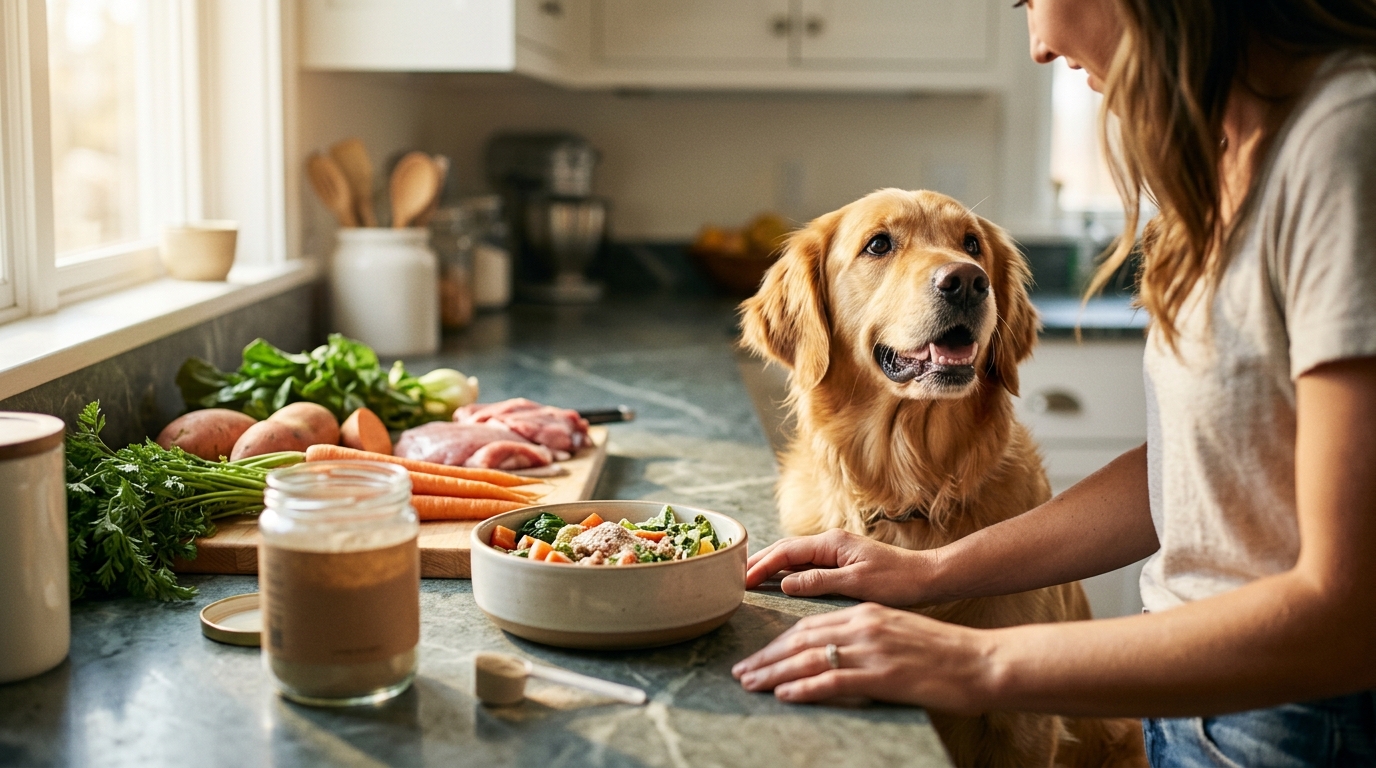
Canine gut health is the cornerstone of overall vitality, influencing everything from immune response to coat shine. Recent veterinary data indicates that over 80% of a dog's immune system resides in the gastrointestinal tract, making daily microbial balance critical for long-term wellness. Understanding the nuanced differences between prebiotics, probiotics, and postbiotics is not just academic; it is the key to selecting the right supplement for your pet's specific needs. (Dog Food Bundles Functional)
Understanding Canine Gut Health Basics
The canine digestive system is designed to process a diverse range of nutrients, but modern diets and environmental factors can disrupt the delicate microbial ecosystem. Gut health is the state of balance between beneficial and harmful bacteria in the digestive tract. When this balance is lost, dogs may experience issues ranging from mild gas to chronic inflammatory conditions.
Freeze-dried raw diets have gained popularity because they preserve natural enzymes and nutrients that support this balance. According to recent studies on raw feeding trends, many pet owners report improved stool quality and energy levels when transitioning to less processed foods. However, even raw diets may lack specific microbial strains or fermentable fibers needed for optimal gut function.
Get Joy focuses on the "Gut Truth," emphasizing that true health comes from nourishing the microbiome rather than just feeding calories. Their approach integrates superfood organ treats and fresh meals to provide a holistic foundation for digestive wellness.
What Are Probiotics and Do Dogs Need Them Daily?
Probiotics are live microorganisms that, when administered in adequate amounts, confer a health benefit on the host. In dogs, these are typically strains of Lactobacillus and Bifidobacterium. These bacteria help crowd out harmful pathogens and support the intestinal barrier.
Should you give your dog probiotics every day? For most dogs, daily supplementation is beneficial, especially if they have sensitive stomachs or are undergoing antibiotic treatment. Antibiotics kill both bad and good bacteria, often leading to digestive upset. Daily probiotics help replenish these lost beneficial strains.
However, not all probiotics are created equal. The viability of the bacteria is crucial. Freeze-dried raw foods, like those offered by Get Joy, often retain higher live culture counts compared to high-heat processed kibble. This ensures that the bacteria survive the journey through the stomach acid to reach the intestines where they are needed most.
The Role of Prebiotics in Digestive Support
Prebiotics are non-digestible fibers that act as food for the beneficial bacteria in your dog's gut. Unlike probiotics, which are the bacteria themselves, prebiotics are the fuel that allows those bacteria to thrive. Common sources include chicory root, beet pulp, and certain types of resistant starch.
Prebiotics are fermentable fibers that stimulate the growth of beneficial gut bacteria. Without prebiotics, probiotic supplements may not be as effective because the bacteria lack the necessary nutrients to colonize the gut effectively.
Many superfood treats, such as Get Joy's Superfood Beef Organ Treats, naturally contain prebiotic compounds. These treats are not just snacks; they are functional foods that support gut health by providing the raw materials for microbial fermentation. This fermentation process produces short-chain fatty acids, which are vital for intestinal cell health.
Postbiotics: The Metabolic Powerhouses
Postbiotics are the metabolic byproducts produced by probiotic bacteria during fermentation. This category includes short-chain fatty acids (SCFAs) like butyrate, propionate, and acetate, as well as enzymes, peptides, and cell wall components. Postbiotics are gaining significant attention in veterinary nutrition for their stability and immediate bioavailability.
While probiotics are live and prebiotics are food, postbiotics are the beneficial substances produced by the fermentation process. They offer many of the same health benefits as probiotics but without the risk of live bacteria failing to survive in the digestive tract.
Freeze-dried raw diets are particularly rich in postbiotics because the gentle dehydration process preserves these metabolic compounds. When your dog consumes these foods, they are directly ingesting the end-products of a healthy microbial ecosystem, providing immediate support to the gut lining and immune system.
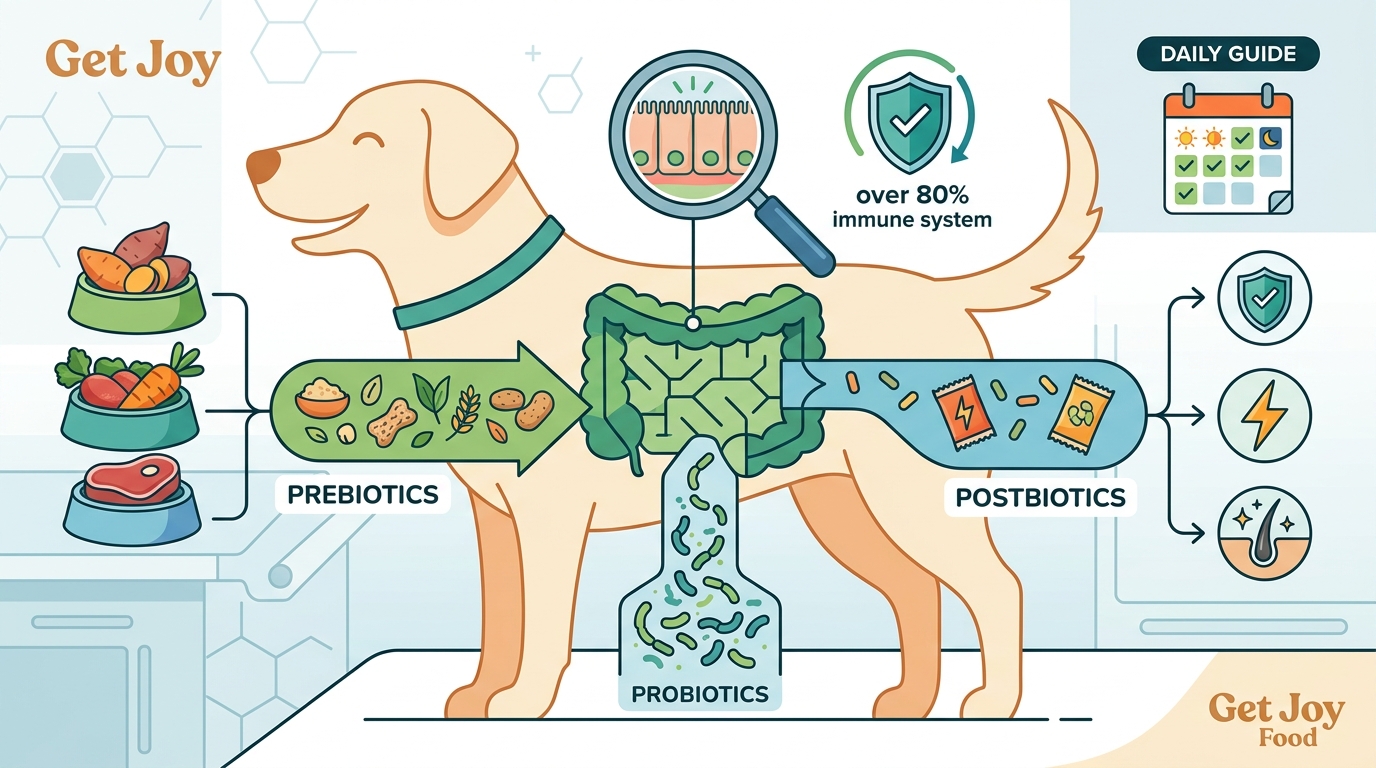
Comparison of Gut Health Supplements
Understanding the differences between these three components helps in making informed decisions about your dog's diet. The table below summarizes the key distinctions.
| Component | Definition | Primary Function | Best Source for Dogs |
|---|---|---|---|
| Probiotics | Live beneficial bacteria | Replenish gut flora and crowd out pathogens | Freeze-dried raw meals, specific supplements |
| Prebiotics | Non-digestible fibers | Feed beneficial bacteria to promote growth | Superfood organ treats, chicory root |
| Postbiotics | Metabolic byproducts | Provide immediate anti-inflammatory and barrier support | Freeze-dried raw foods, fermented diets |
For optimal results, a combination of all three is often recommended. This "synbiotic" approach ensures that you are introducing beneficial bacteria, feeding them, and providing the metabolic benefits they produce. Get Joy's product line, including their Fresh Meals and Bundles, is designed to deliver this comprehensive support.
Key Takeaways for Pet Parents
- Daily Consistency: Gut health is maintained through consistent daily support, not occasional supplementation.
- Probiotics are Live: Probiotics are live microorganisms that help restore microbial balance in the digestive tract.
- Prebiotics are Fuel: Prebiotics are non-digestible fibers that stimulate the growth of beneficial gut bacteria.
- Postbiotics are Stable: Postbiotics are the beneficial substances produced by the fermentation process, offering immediate gut support.
- Freeze-Dried Benefits: Freeze-dried raw foods preserve live cultures and postbiotics better than traditional kibble.
- Organ Treats Matter: Superfood beef organ treats provide natural prebiotics and nutrients for gut health.
- Consult Your Vet: Always discuss new supplements with your veterinarian, especially if your dog has existing health conditions.
Frequently Asked Questions
Can I give my dog human probiotics?
It is generally not recommended to give human probiotics to dogs without veterinary guidance. Canine strains of bacteria differ from human strains, and the dosage required for dogs is different. Using species-specific probiotics ensures efficacy and safety.
How long does it take for probiotics to work in dogs?
While some dogs may show improvements in stool quality within 24 to 48 hours, it typically takes about two to four weeks of consistent daily supplementation to fully rebalance the gut microbiome. Patience and consistency are key.
Are prebiotics safe for all dogs?
Prebiotics are safe for most dogs, but introducing them too quickly can cause gas or bloating. It is best to start with small amounts and gradually increase the dose to allow the gut to adapt. Superfood treats offer a gentle way to introduce prebiotics.
What is the difference between fresh and freeze-dried food for gut health?
Fresh food contains high moisture and live enzymes but requires refrigeration. Freeze-dried food retains most of the nutritional benefits, including postbiotics and live cultures, while offering the convenience of shelf stability. Both are superior to traditional kibble for gut health.
Do I need to rotate probiotic strains?
Rotating strains can be beneficial to ensure a diverse microbiome, but it is not strictly necessary if you are using a high-quality, multi-strain supplement or a diverse freeze-dried raw diet. Consistency with a reliable source is more important than frequent rotation.
Can probiotics help with allergies in dogs?
Yes, there is a strong link between gut health and immune response. A healthy gut barrier prevents toxins and allergens from entering the bloodstream, which can reduce allergic reactions. Supporting gut health with probiotics and prebiotics may help manage allergy symptoms.
How do I store freeze-dried raw food to maintain probiotic viability?
Store freeze-dried raw food in a cool, dry place away from direct sunlight. Once opened, keep the bag sealed tightly to prevent moisture absorption, which can compromise the integrity of the product and any live cultures.
Start Your Dog's Gut Health Journey
Investing in your dog's gut health is one of the most impactful things you can do for their longevity and happiness. By understanding the roles of probiotics, prebiotics, and postbiotics, you can make informed choices that support their digestive wellness. Explore Get Joy's range of Freeze Dried Raw Meals and Superfood Treats to find the perfect balance for your pet. Visit our Affiliate Partner page if you are interested in sharing these benefits with other pet parents.